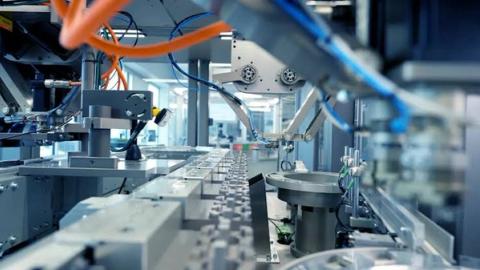
Industrial Automation
Engineering automated control systems that improve the operation, reliability and efficiency of industrial equipment, machinery and processes.
Industry
Applying electrical engineering, automation, monitoring and connected technologies to energy systems and power infrastructure.
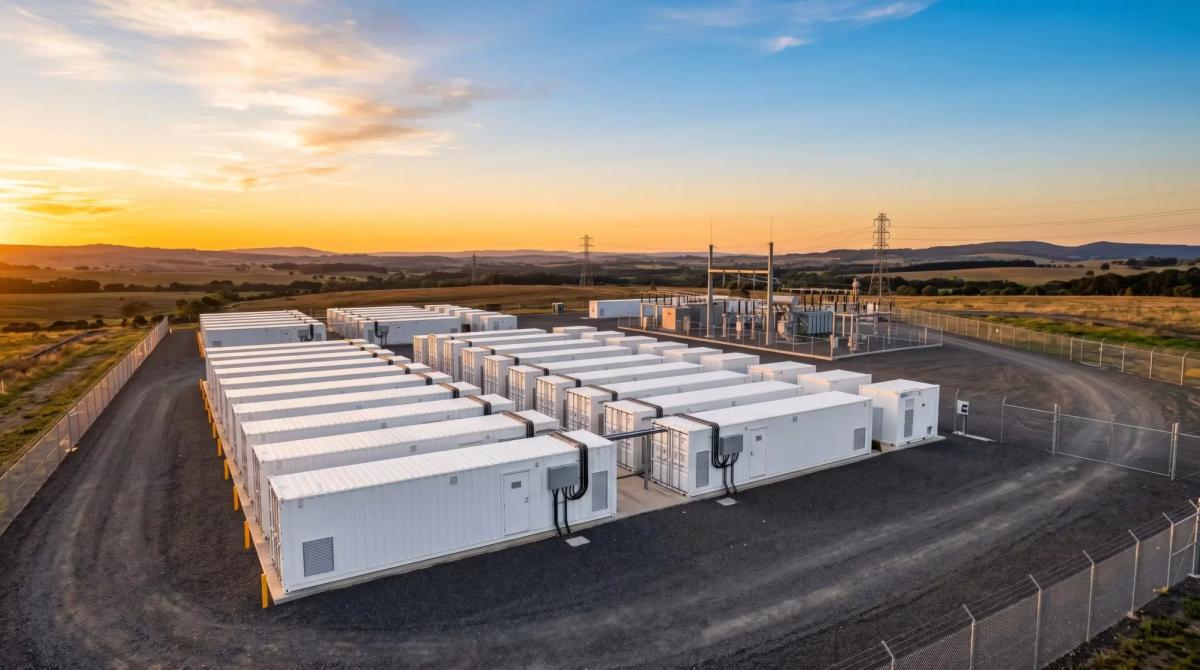
Energy infrastructure involves the generation, conversion, distribution, storage and management of electrical power across systems with different operating requirements. Maintaining reliable power delivery while managing changing demand, equipment performance, energy efficiency and the integration of renewable sources requires coordinated electrical and control engineering.
Modern energy systems increasingly combine conventional electrical infrastructure with distributed generation, battery storage, power electronics, automated control and digital monitoring. Solar photovoltaic installations, energy storage systems, backup power infrastructure and grid-connected equipment must operate within their respective electrical and operational requirements. Their integration introduces considerations involving power quality, protection, switching, load management and system coordination.
Monitoring and control are particularly important in installations where energy production, consumption and storage must be coordinated. Measurement systems can provide information about generation, consumption, system performance and equipment condition, while automation can support switching sequences, operating modes and energy management functions.
Engineering in this sector must account for applicable electrical installation standards, grid interconnection requirements, equipment protection, renewable energy regulations and battery safety requirements. Depending on the project, relevant considerations may also include power quality, earthing, isolation, overcurrent protection and compliance with utility requirements.
Engineering automated control systems that improve the operation, reliability and efficiency of industrial equipment, machinery and processes.
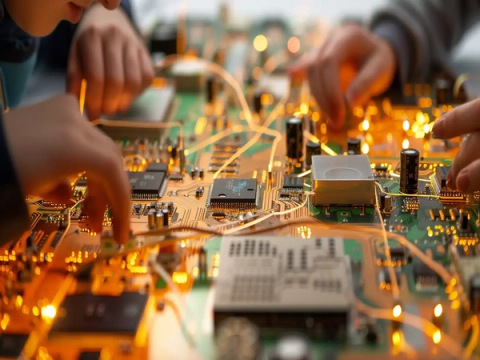
Designing electronic hardware and embedded systems that power intelligent devices, connected equipment and innovative technological products.
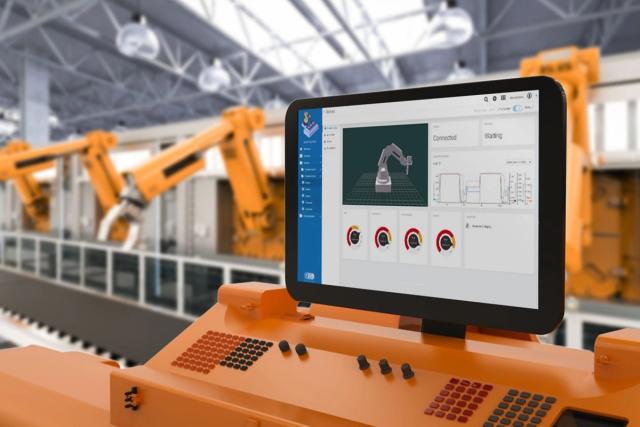
Developing connected devices and intelligent systems that enable physical equipment, infrastructure and digital platforms to communicate and exchange information.
Describe the site and the problem. Helena will say what it would take to understand it properly before anyone discusses cost.