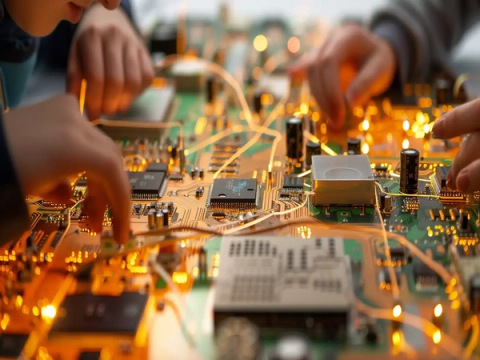
Electronics & Embedded Systems
Designing electronic hardware and embedded systems that power intelligent devices, connected equipment and innovative technological products.
Industrial Automation
Engineering automated control systems that improve the operation, reliability and efficiency of industrial equipment, machinery and processes.
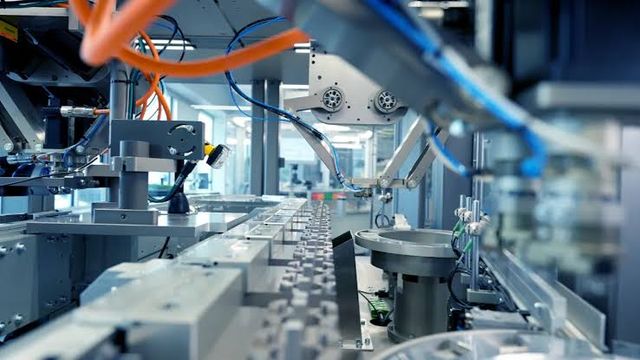
We design, program and integrate automation and control systems that enable industrial equipment and processes to operate more intelligently, reliably and efficiently. From programmable controllers and operator interfaces to complete control system integrations, our work focuses on connecting electrical, electronic and software technologies to solve practical industrial engineering challenges.
Effective industrial automation requires an understanding of the entire system being controlled, not simply the programming of an individual controller. We approach automation projects by considering the interaction between machinery, electrical infrastructure, instrumentation, control hardware, software and human operators.
Our engineering process begins with understanding the operational requirements of the application, identifying the equipment and processes involved, and determining the appropriate control architecture. This provides a foundation for developing solutions that are technically appropriate, maintainable and suited to their intended operating environment.
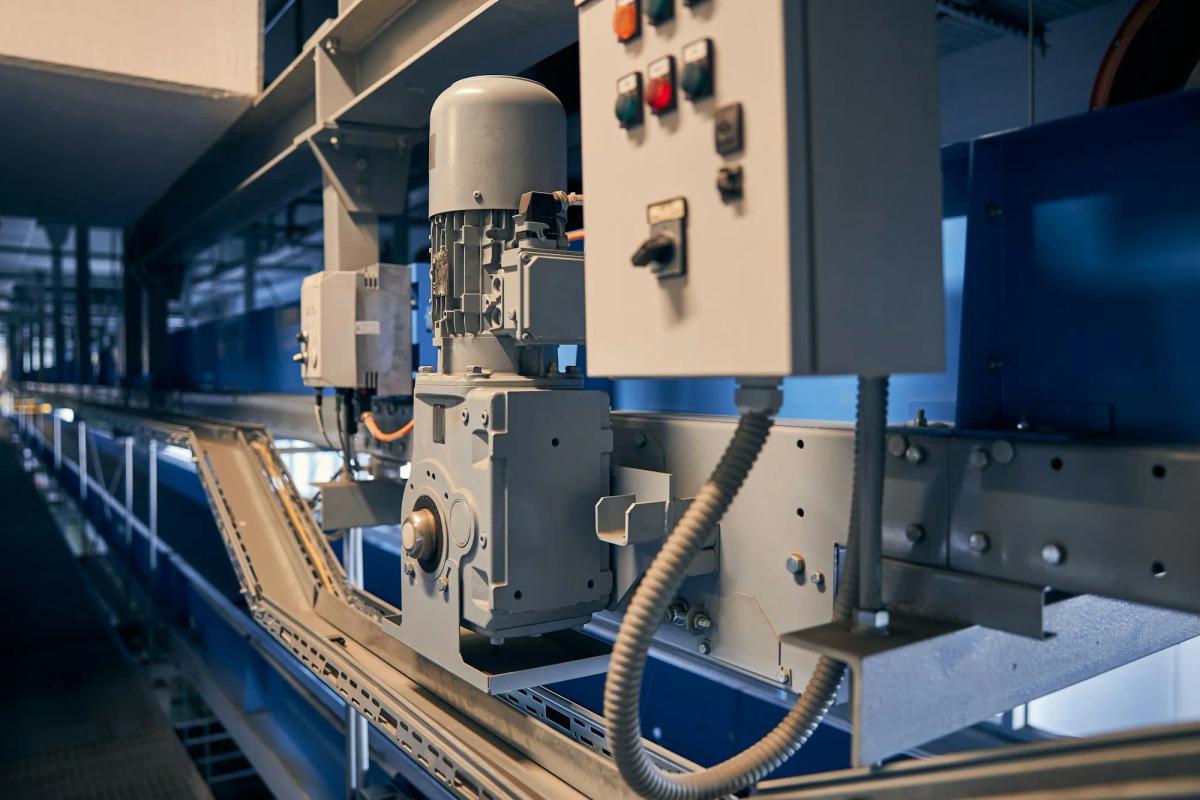
We work with programmable logic controllers, operator interfaces, supervisory control systems, instrumentation and associated electrical components to develop integrated automation solutions.
Particular attention is given to control logic, equipment sequencing, input and output handling, alarm conditions, operator interaction and communication between system components. Where existing infrastructure is involved, we consider compatibility with installed equipment and the practical requirements of integrating new technologies into established operations.
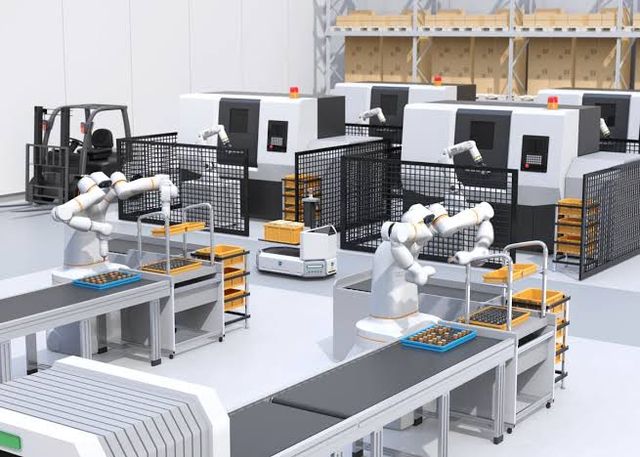
Industrial control systems must operate predictably under demanding conditions. Our engineering considerations therefore extend beyond basic functionality to include fault handling, electrical protection, equipment operating limits, safe operating states and system recovery.
We aim to develop control solutions that are clearly documented, logically structured and practical to maintain. Design and implementation decisions should account for applicable electrical and machinery safety requirements, relevant industry standards and the conditions in which the system will operate.
Many industrial environments depend on machinery and control infrastructure that have been operating for years. Replacing an entire system is not always necessary or economically practical.
We recognise the value of carefully planned upgrades, retrofits and equipment integration. By introducing modern controllers, interfaces, instrumentation and communication capabilities, existing systems can be improved while retaining suitable parts of their established infrastructure.
Our broader objective is to develop automation systems that do more than execute predefined operations: they should provide better operational visibility, support informed decisions and create opportunities for improved efficiency and reliability.
Developing the control logic and automation systems that govern industrial equipment and processes.
Creating interfaces and supervisory systems for monitoring, visualising and controlling industrial operations.
Engineering the electrical control infrastructure that connects controllers, equipment and field devices.
Integrating automation technologies into existing machinery and upgrading legacy equipment and control systems.
Designing electronic hardware and embedded systems that power intelligent devices, connected equipment and innovative technological products.
Developing connected devices and intelligent systems that enable physical equipment, infrastructure and digital platforms to communicate and exchange information.
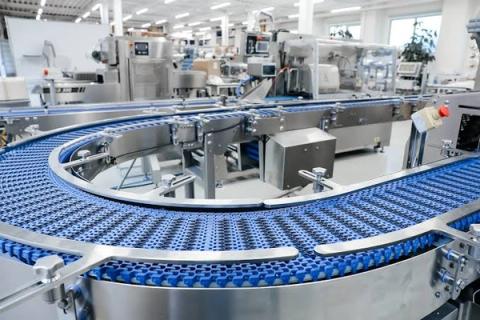
An existing production line was upgraded with a centralised PLC control system, operator interface and coordinated machine sequencing. The implementation brought previously independent machine operations into a more structured control environment and operational visibility.
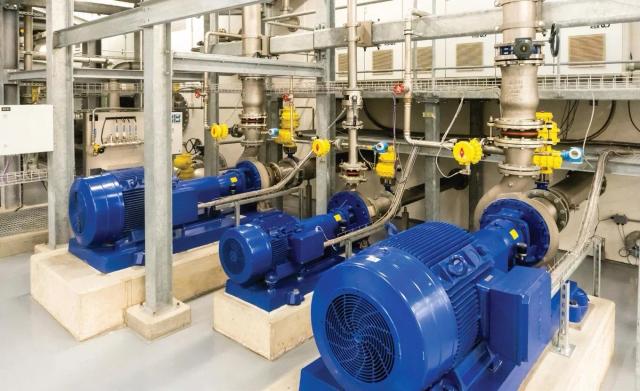
A distributed water pumping installation was integrated into an automated control and monitoring system designed to coordinate pump operation, monitor critical operating conditions and provide remote visibility.
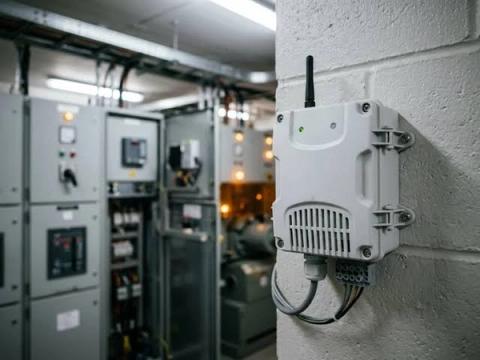
An industrial energy monitoring system was developed to collect, transmit and visualise electrical consumption and operating data from multiple distribution points. Combining metering equipment, industrial communications and a centralised software platform, the solution provided a unified view of energy use.
Describe the situation. Helena will tell you what it would take to understand it properly before anyone talks about cost.