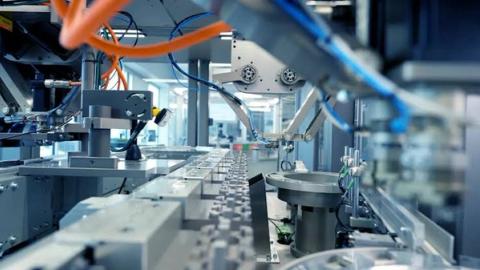
Industrial Automation
Engineering automated control systems that improve the operation, reliability and efficiency of industrial equipment, machinery and processes.
Technology
Exploring intelligent computational methods that enable engineering systems to analyse information, identify patterns and support more advanced monitoring, diagnostics, optimisation and automated decision-making.
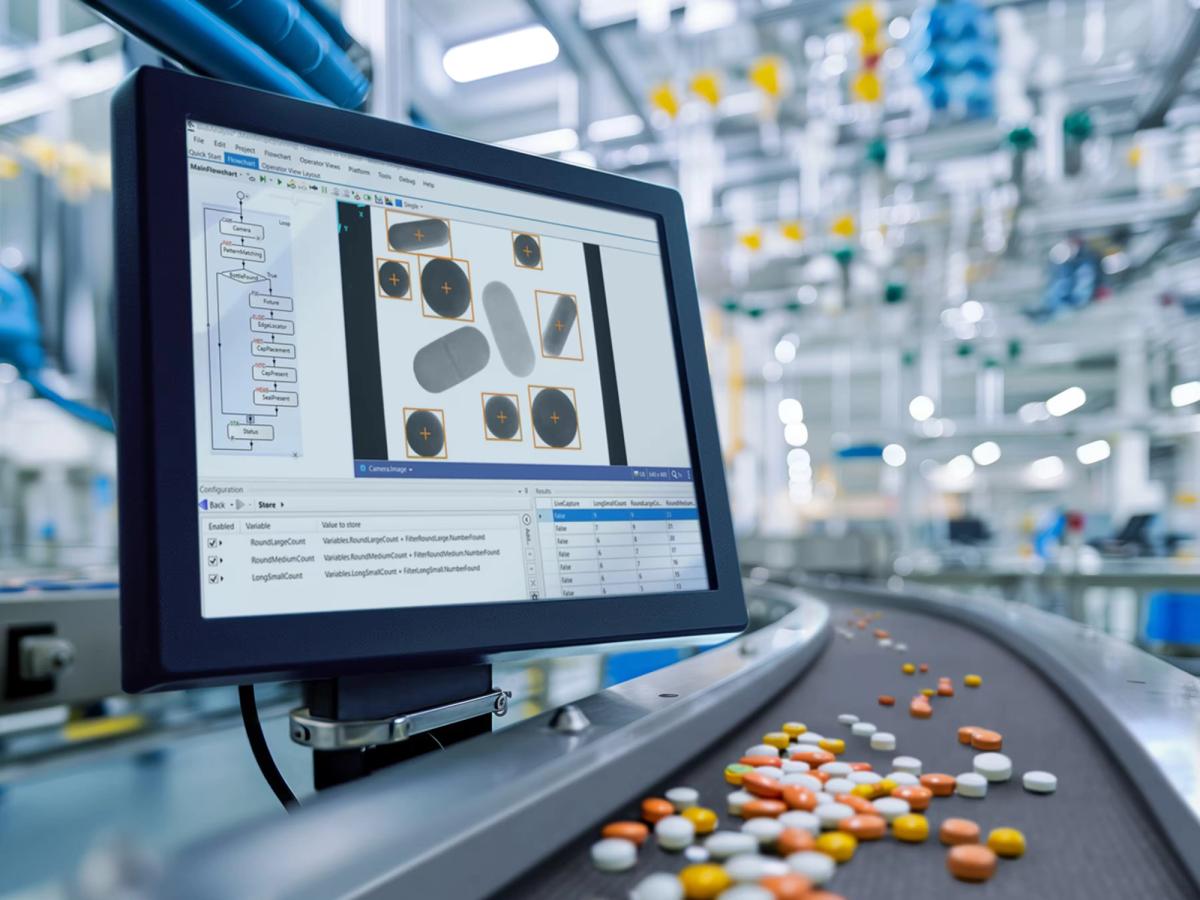
Artificial intelligence and machine learning introduce capabilities that allow engineering systems to extract insights from data, recognise patterns and respond to conditions beyond conventional rule-based programming. These technologies create opportunities to develop more adaptive and intelligent solutions across industrial automation, connected equipment, electronics and digital platforms.
Artificial intelligence and machine learning are expanding the possibilities of modern engineering by enabling systems to learn from data, identify complex relationships and support decisions that would otherwise require extensive manual analysis or conventional programming. Their application in industrial and connected environments creates opportunities to improve equipment monitoring, detect abnormal operating conditions, optimise processes and develop systems capable of responding more intelligently to changing circumstances.
Helena's research direction focuses on the intersection of intelligent algorithms and practical engineering systems. Areas of interest include machine learning for equipment diagnostics, anomaly detection in sensor data, predictive maintenance, computer vision, intelligent automation and optimisation techniques. Future development will depend on establishing the necessary data infrastructure, computational capabilities and integration methods to move these applications from experimentation towards functional engineering solutions.
Engineering automated control systems that improve the operation, reliability and efficiency of industrial equipment, machinery and processes.
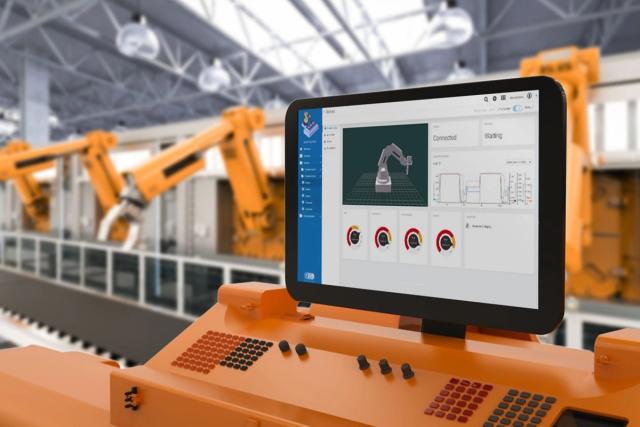
Developing connected devices and intelligent systems that enable physical equipment, infrastructure and digital platforms to communicate and exchange information.
Describe the site and the constraint. Helena will say whether this is the right approach, and what it would take to be sure.