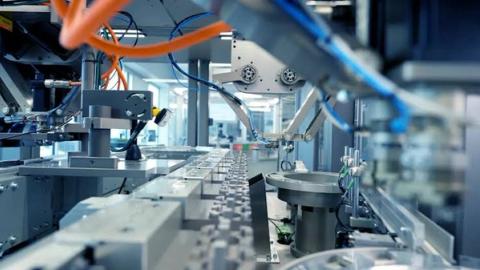
Industrial Automation
Engineering automated control systems that improve the operation, reliability and efficiency of industrial equipment, machinery and processes.
Electronics & Embedded Systems
Designing electronic hardware and embedded systems that power intelligent devices, connected equipment and innovative technological products.
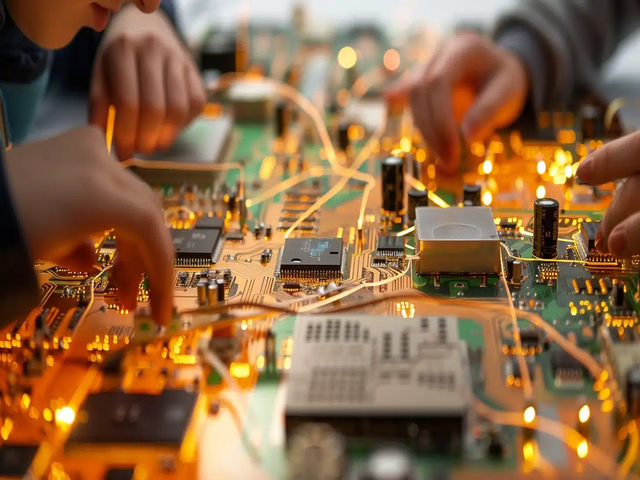
We develop electronic hardware and embedded systems that bring technological ideas to life. Our work spans electronic circuit design, PCB development, microcontroller programming and hardware-software integration, forming the foundation for intelligent devices, specialised equipment and future proprietary products. From individual electronic components to integrated embedded solutions, we focus on engineering practical hardware systems that address real-world requirements.
The development of an electronic product involves a combination of electrical engineering, hardware architecture, embedded computing and software. A successful design must bring these elements together into a system that performs its intended function reliably and consistently.
Our approach begins with understanding the problem a device is intended to solve, defining its functional requirements and translating those requirements into an appropriate electronic architecture. This includes identifying the necessary components, interfaces, processing capabilities, power requirements and operating constraints before progressing into detailed design and implementation.
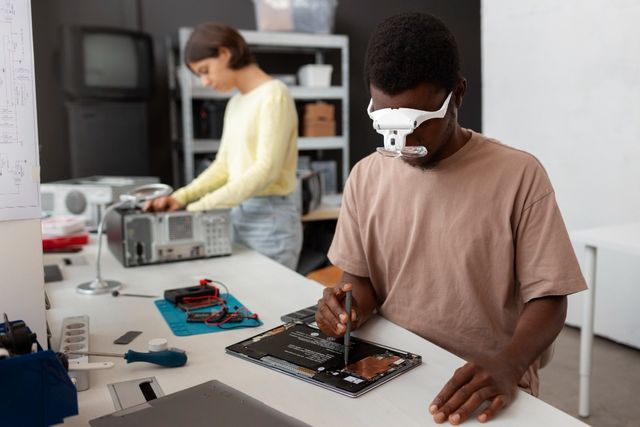
Electronic hardware is the physical foundation of every embedded device. Our engineering interests encompass analogue and digital electronics, microcontroller-based circuits, power management, signal conditioning and the integration of electronic components into functional systems.
Design considerations include component selection, electrical characteristics, signal integrity, thermal behaviour, power consumption, protection mechanisms and the interaction between different circuit sections. The objective is to produce hardware designs that are functional, technically sound and suitable for further development and testing.
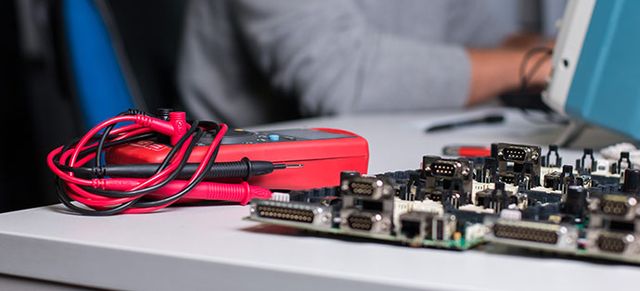
Printed circuit boards provide the physical platform on which electronic components and their connections are organised. PCB engineering therefore requires careful consideration of electrical performance, component placement, routing, board dimensions, manufacturing constraints and assembly requirements.
We approach PCB development as part of a broader product engineering process, progressing from circuit schematics and board layout to prototype fabrication, assembly and evaluation. Prototypes provide an opportunity to identify design limitations, verify functionality and make informed improvements before a design advances towards production.
Depending on project requirements, fabrication and assembly may be undertaken through specialist manufacturing partners.
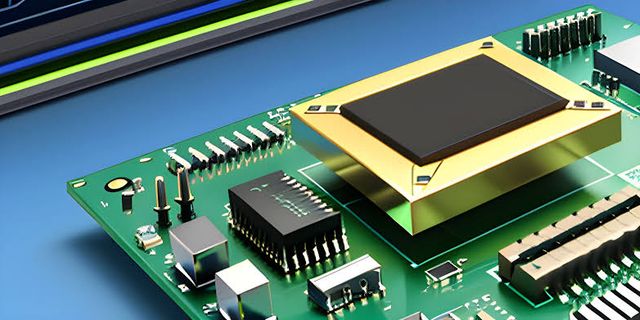
Embedded systems combine dedicated computing hardware with software designed to perform specific functions within an electronic device or larger engineering system.
Our embedded engineering work encompasses microcontroller programming, firmware development, peripheral interfacing, sensor integration, communication interfaces and hardware-software interaction. This includes developing the logic that allows electronic devices to interpret inputs, process information, control outputs and communicate with other systems.
We place importance on designing firmware that is structured, understandable, maintainable and appropriate for the hardware on which it operates. Considerations such as timing, memory, processing resources, power consumption and fault handling are particularly important in embedded applications.
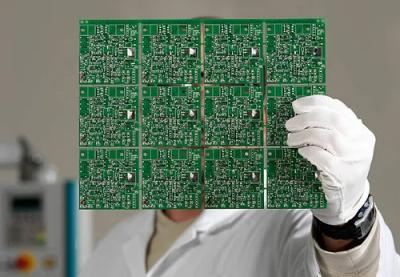
Our broader ambition extends beyond individual circuit boards and embedded projects towards the development of complete electronic products.
This requires an iterative engineering process in which hardware and firmware are developed together, prototypes are evaluated against their intended requirements, and identified weaknesses are addressed through design improvements.
Depending on the product, this may involve functional testing, electrical verification, environmental considerations, enclosure integration, power evaluation and preparation for eventual manufacturing. We recognise that a successful prototype is an important milestone, but it is not automatically a production-ready product.
Our long-term objective is to develop the engineering capability to take original electronic concepts through architecture, design, prototyping, validation and, eventually, scalable product development.
Designing the electronic circuits and hardware architectures that form the foundation of functional devices and systems.
Translating electronic designs into manufacturable printed circuit boards and functional hardware prototypes.
Developing the embedded computing systems and firmware that control electronic devices and intelligent hardware.
Engineering electronic prototypes and integrated hardware solutions from initial concepts towards functional products.
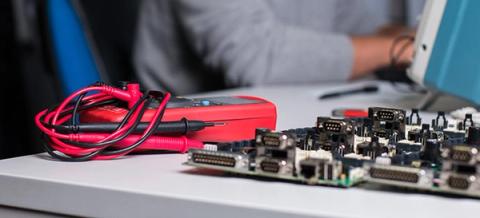
Engineering automated control systems that improve the operation, reliability and efficiency of industrial equipment, machinery and processes.
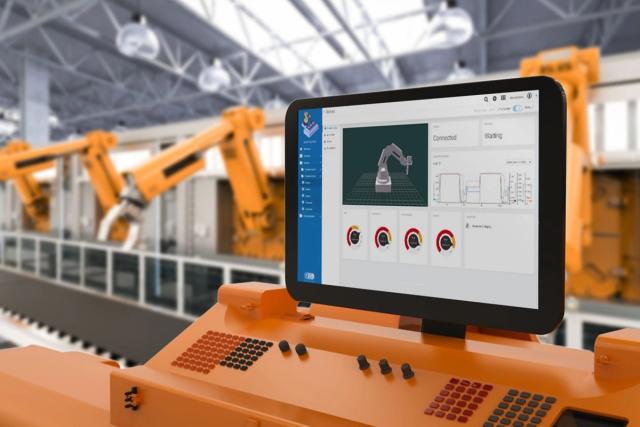
Developing connected devices and intelligent systems that enable physical equipment, infrastructure and digital platforms to communicate and exchange information.
Describe the situation. Helena will tell you what it would take to understand it properly before anyone talks about cost.