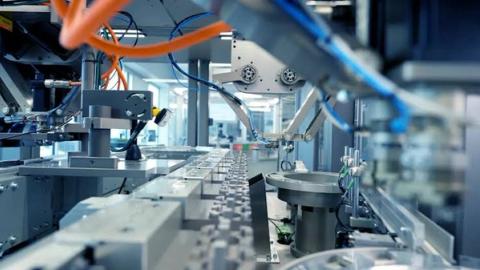
Industrial Automation
Engineering automated control systems that improve the operation, reliability and efficiency of industrial equipment, machinery and processes.
IoT & Connected Systems
Developing connected devices and intelligent systems that enable physical equipment, infrastructure and digital platforms to communicate and exchange information.
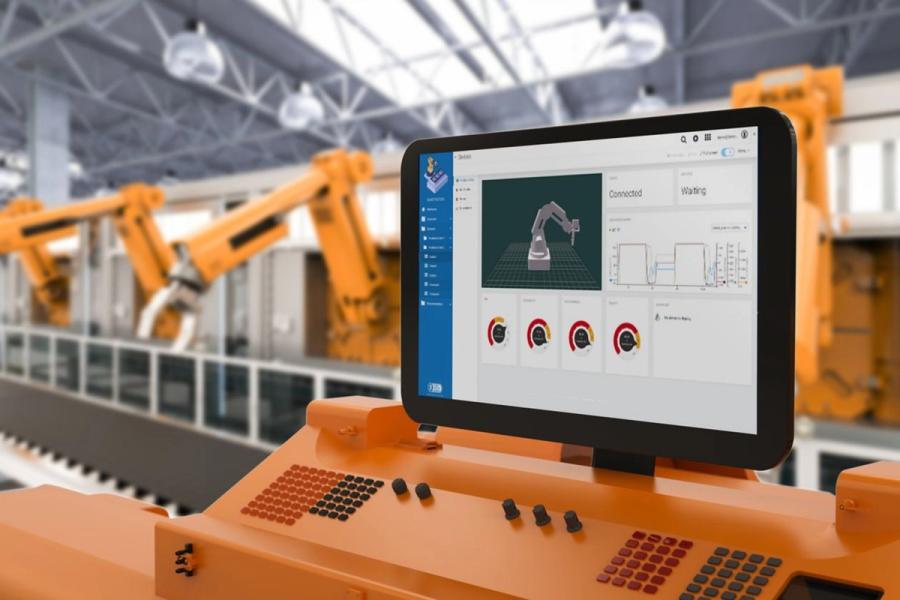
We develop connected systems that bridge the physical and digital worlds. By combining embedded electronics, sensors, communication technologies and software platforms, we enable devices and equipment to collect information, communicate with other systems and support more intelligent monitoring and operation. Our applications span industrial equipment, infrastructure, connected devices and other environments where reliable connectivity and access to operational data can create meaningful value.
Connected systems bring together physical devices, electronic hardware, communication technologies and software to enable information to move between the real world and digital environments.
We approach IoT engineering as a complete systems discipline rather than simply the process of connecting a device to a network. A reliable connected solution must account for how information is measured, collected, transmitted, processed, stored and ultimately presented or used.
This involves coordinating the device hardware, embedded firmware, communication infrastructure, data processing and software interfaces into a cohesive technical solution.
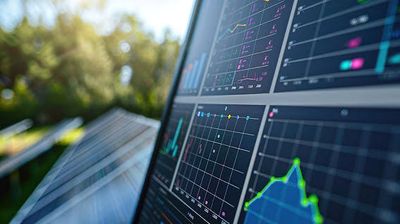
Communication is fundamental to the operation of connected systems. Different applications require different approaches depending on factors such as operating range, power consumption, data volume, network availability, environmental conditions and reliability requirements.
Our areas of interest include device-to-device communication, wired and wireless connectivity, industrial communication protocols, messaging systems and gateway architectures. Technologies and protocols such as MQTT, Modbus, HTTP and other appropriate communication standards can form part of these systems depending on the application.
We consider the communication requirements of each solution carefully, with particular attention to interoperability, dependable data exchange and integration with existing equipment and infrastructure.
Connected devices create opportunities to observe and understand the operation of physical systems beyond the limitations of local inspection.
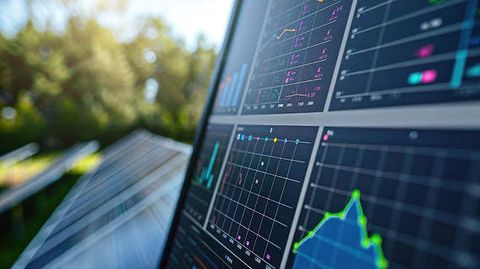
Through sensors, instrumentation and data acquisition systems, operational information can be collected from machinery, equipment and infrastructure and made available to remote applications. This can support equipment monitoring, operational visibility, fault investigation, reporting and more informed maintenance decisions.
Our engineering approach considers the complete data path, including measurement accuracy, acquisition frequency, communication reliability, data integrity and the usefulness of the information ultimately presented to operators.
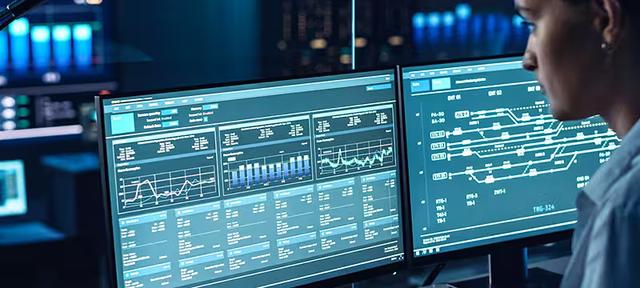
The value of connected hardware is significantly increased when its data can be accessed and used effectively.
Software platforms provide the interfaces through which connected devices are configured, monitored and managed. They can also integrate information from multiple devices and external systems, making it possible to build more comprehensive monitoring and management solutions.
Our software engineering capabilities support the development and integration of device interfaces, APIs, dashboards, data services and connected-device applications. Over time, these capabilities will also contribute to the development of proprietary platforms and software products that complement Helena's hardware and engineering solutions.
Connected systems introduce considerations that extend beyond basic device functionality. Network security, device identity, access control, data protection, firmware updates and communication resilience all influence the dependability of a connected solution.
We recognise the importance of considering these requirements from the design stage rather than treating them as later additions. Solutions should be designed with appropriate security controls, manageable device configurations and an architecture that can accommodate future expansion.
Our broader objective is to develop connected systems that are not only functional, but also dependable, maintainable and capable of evolving alongside the environments in which they operate.
Developing electronic devices and embedded systems with the ability to communicate and exchange information.
Connecting physical equipment and infrastructure to systems that provide remote access to operational information.
Engineering the communication infrastructure that connects devices, controllers, sensors and digital platforms.
Connecting devices and data sources to software platforms for visualisation, management and analysis.
Engineering automated control systems that improve the operation, reliability and efficiency of industrial equipment, machinery and processes.
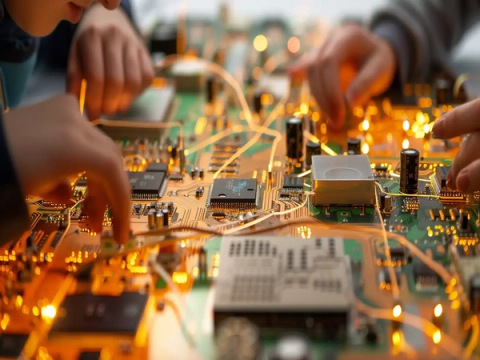
Designing electronic hardware and embedded systems that power intelligent devices, connected equipment and innovative technological products.
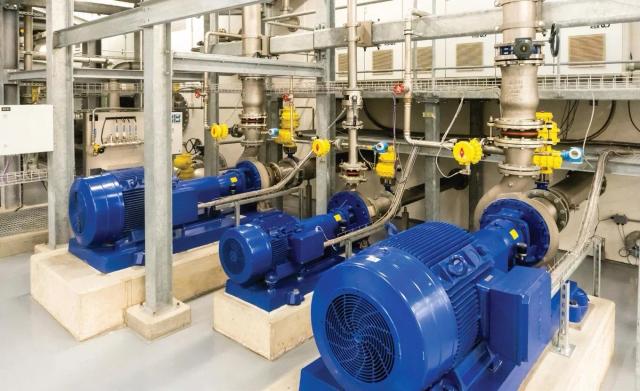
A distributed water pumping installation was integrated into an automated control and monitoring system designed to coordinate pump operation, monitor critical operating conditions and provide remote visibility.
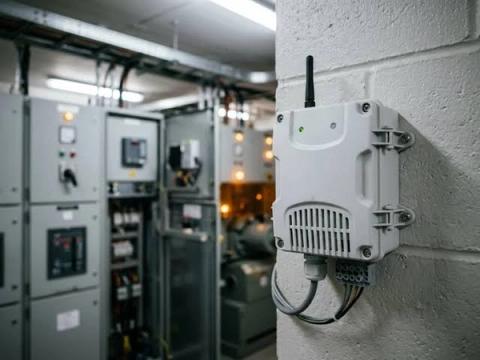
An industrial energy monitoring system was developed to collect, transmit and visualise electrical consumption and operating data from multiple distribution points. Combining metering equipment, industrial communications and a centralised software platform, the solution provided a unified view of energy use.
Describe the situation. Helena will tell you what it would take to understand it properly before anyone talks about cost.