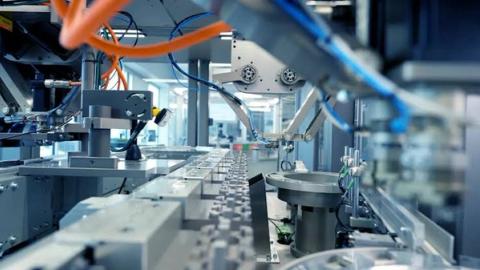
Industrial Automation
Engineering automated control systems that improve the operation, reliability and efficiency of industrial equipment, machinery and processes.
Case study
An industrial energy monitoring system was developed to collect, transmit and visualise electrical consumption and operating data from multiple distribution points. Combining metering equipment, industrial communications and a centralised software platform, the solution provided a unified view of energy use.
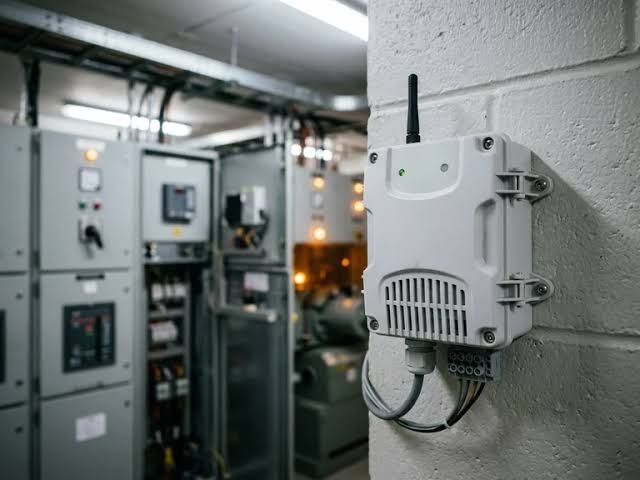
Industrial facilities frequently distribute electrical loads across several production areas, machines and auxiliary systems. Without consolidated monitoring, energy information can remain fragmented across individual meters and equipment, making it difficult to understand consumption patterns or compare operating conditions between different parts of a facility.
The objective was to develop a connected monitoring architecture that could gather electrical measurements from multiple distribution points and make the information accessible through a centralised interface.
The system used networked electrical energy meters to capture measurements including voltage, current, active power, power factor and energy consumption. An industrial gateway collected data from the meters over Modbus communications and transmitted it to a software-based monitoring environment.
A central dashboard presented measurements from the connected distribution points, allowing users to inspect electrical parameters, review consumption trends and compare readings across monitored areas. The software architecture was designed around modular device integration, making it possible to extend the monitoring network as additional meters and equipment were introduced.
The result was a connected monitoring system linking electrical infrastructure, industrial communications and software into a single data environment.
Engineering automated control systems that improve the operation, reliability and efficiency of industrial equipment, machinery and processes.
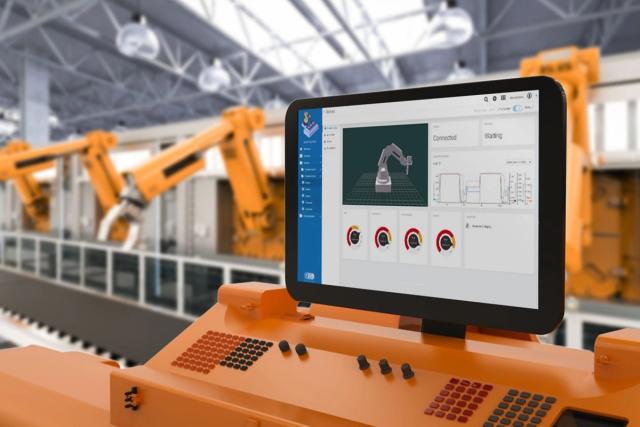
Developing connected devices and intelligent systems that enable physical equipment, infrastructure and digital platforms to communicate and exchange information.
Describe the situation and the constraint. Helena will say what it would take to understand it properly.