Industrial Automation
Engineering automated control systems that improve the operation, reliability and efficiency of industrial equipment, machinery and processes.
Case study
An existing production line was upgraded with a centralised PLC control system, operator interface and coordinated machine sequencing. The implementation brought previously independent machine operations into a more structured control environment and operational visibility.
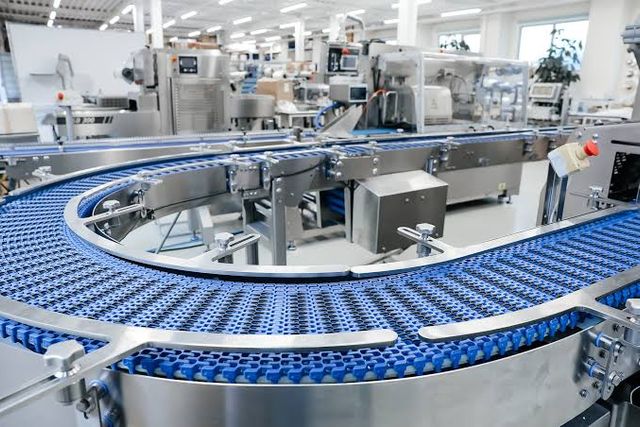
The production line relied on a combination of standalone machine controls, manual operator intervention and equipment with differing control arrangements. This made it difficult to coordinate operating sequences, monitor machine states and identify interruptions across the production process.
The objective was to introduce a unified control architecture without requiring a complete replacement of the existing machinery. The engineering approach centred on integrating the available equipment, standardising control sequences and providing operators with a consistent interface for monitoring and interaction.
A Siemens PLC was selected as the central controller, with distributed field devices and machine interfaces integrated into the control architecture. The operator interface provided access to operating modes, machine status, alarms and essential process information.
The resulting system established coordinated machine operation, centralised control logic and a clearer view of production-line activity. It also provided an extensible architecture for future equipment integration and process improvements.
Engineering automated control systems that improve the operation, reliability and efficiency of industrial equipment, machinery and processes.
Describe the situation and the constraint. Helena will say what it would take to understand it properly.