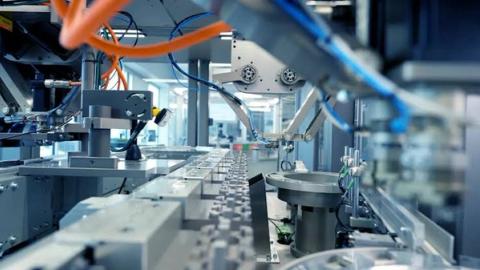
Industrial Automation
Engineering automated control systems that improve the operation, reliability and efficiency of industrial equipment, machinery and processes.
Case study
A distributed water pumping installation was integrated into an automated control and monitoring system designed to coordinate pump operation, monitor critical operating conditions and provide remote visibility.
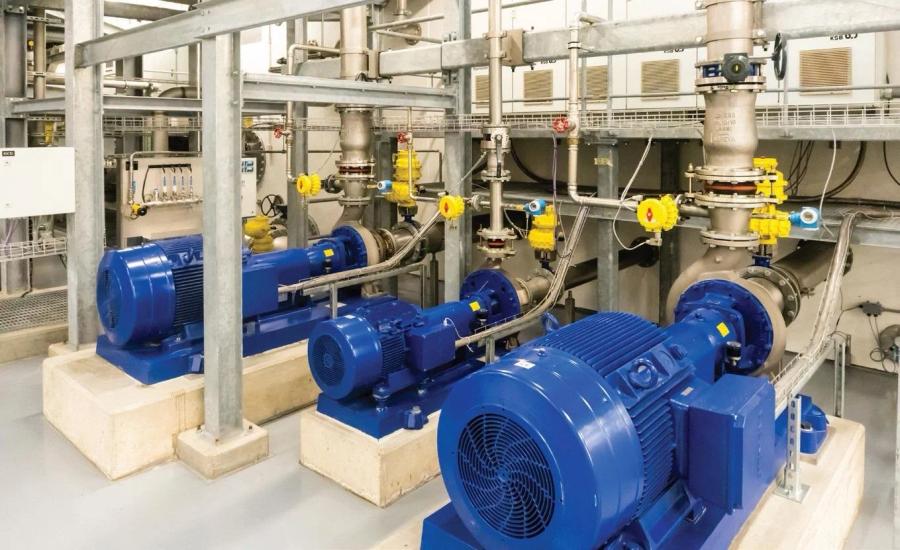
Water pumping infrastructure often operates across multiple equipment locations, with operators needing to manage pump availability, water levels, pressure conditions and equipment faults. Where monitoring and control arrangements are fragmented, identifying abnormal operating conditions and coordinating equipment can become difficult.
The objective was to establish an integrated pumping station control architecture capable of managing pump operation locally while providing a central point for monitoring essential system conditions.
A PLC-based control system was configured to manage pump sequencing, operating modes, protection interlocks and automatic responses to changes in measured conditions. Level and pressure instrumentation supplied the controller with process information, while a supervisory interface provided operators with an overview of equipment status, alarms and operating parameters.
Remote connectivity was incorporated to make selected operating information accessible beyond the local control panel. The architecture also allowed for the future integration of additional pumping locations and monitoring points.
The implementation brought control, instrumentation and communications together in one system, creating a more structured approach to operating and monitoring distributed water infrastructure.
Engineering automated control systems that improve the operation, reliability and efficiency of industrial equipment, machinery and processes.
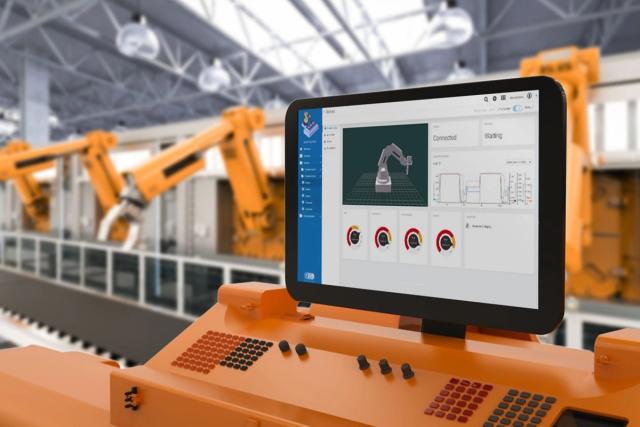
Developing connected devices and intelligent systems that enable physical equipment, infrastructure and digital platforms to communicate and exchange information.
Describe the situation and the constraint. Helena will say what it would take to understand it properly.