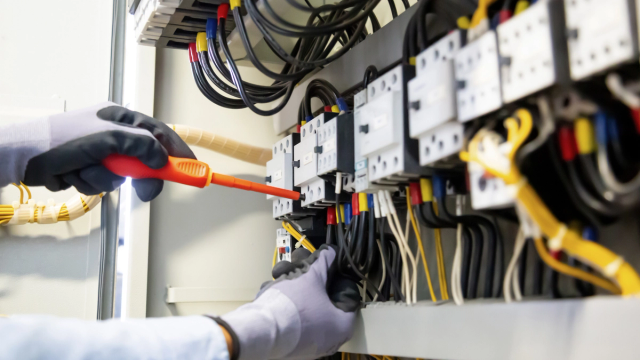
Electrical & Energy Systems
Electrical installation, maintenance, fault diagnosis and solar energy solutions for residential, commercial and industrial environments. We work across the systems that distribute, use and supply electrical power.
Case study
An electrical energy-monitoring prototype developed to measure consumption across individual circuits, distinguish the loads contributing to total electricity use, and present the measurements through a central dashboard.
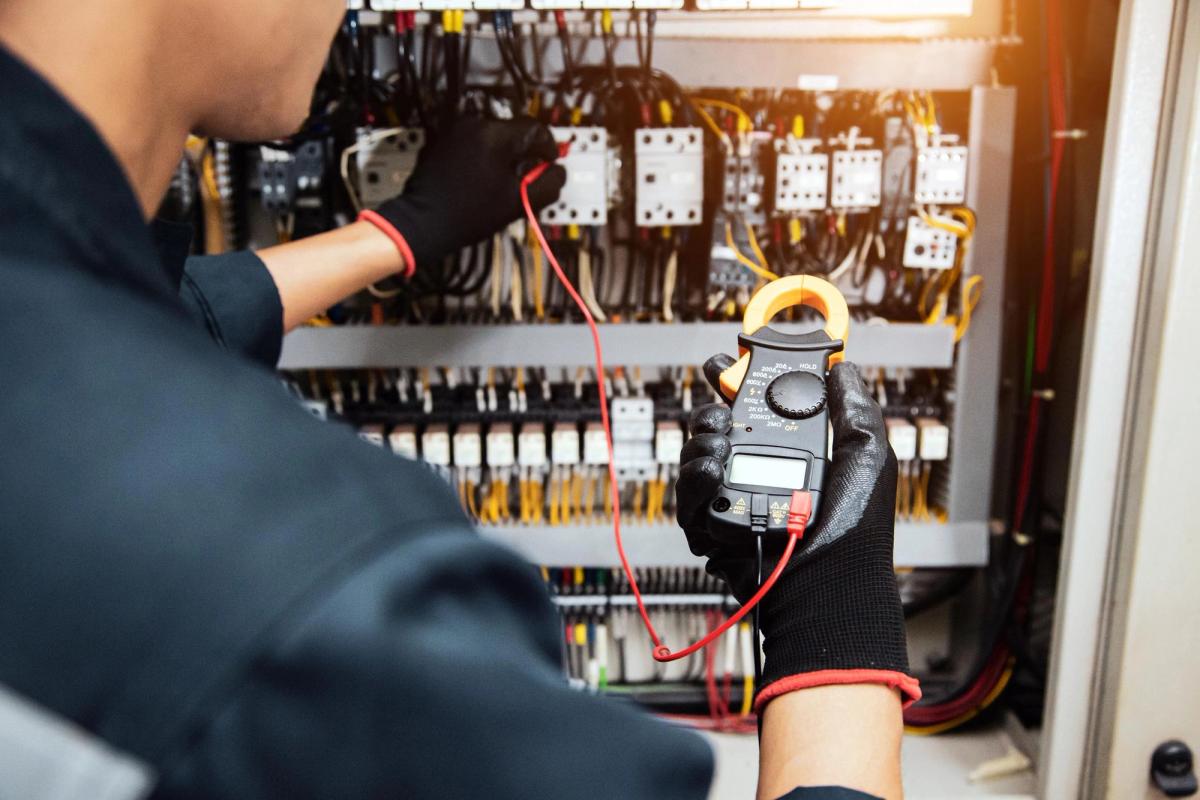
A conventional electricity meter provides a useful picture of total consumption, but it does not explain which equipment or circuits account for that consumption. In buildings with several independent loads, understanding the distribution of energy use requires more detailed measurements.
This project investigated how a low-cost monitoring system could collect electrical measurements from individual circuits and turn them into information that was easier to interpret. The prototype was designed around a distribution-board monitoring arrangement, with current sensors connected to a microcontroller and measurements transmitted to a local dashboard.
Current transformers were used to measure the current flowing through selected circuits without requiring the monitoring electronics to be connected directly in series with the loads. Voltage measurements were incorporated to support power and energy calculations. The measurement system sampled the electrical signals, calculated consumption metrics, and transmitted the resulting data to a central application.
The software side of the prototype handled data collection, storage, and visualization. A dashboard displayed live measurements alongside historical consumption, allowing the behaviour of different circuits to be compared over time. Particular attention was given to making the readings understandable without requiring users to interpret raw sensor data.
Testing involved comparing the prototype's readings against a reference meter under different load conditions. The results showed that the system could distinguish changes in consumption between monitored circuits and provide a useful view of how loads contributed to overall demand. The exercise also exposed practical considerations around sensor calibration, measurement accuracy, electrical noise, and the importance of matching the measurement hardware to the installation.
The completed prototype demonstrated a practical approach to circuit-level energy monitoring and established a foundation for further work on energy analysis, abnormal-consumption detection, and automated reporting.
THE END
Electrical installation, maintenance, fault diagnosis and solar energy solutions for residential, commercial and industrial environments. We work across the systems that distribute, use and supply electrical power.
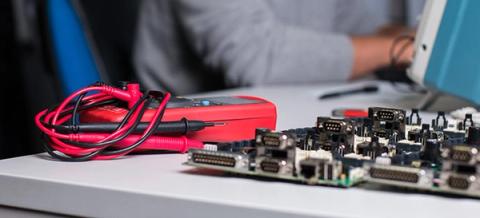
Embedded hardware and electronics development for devices that sense, process and interact with the physical world. Our developing work spans microcontrollers, circuit design, PCB development and hardware prototyping.

Software development and digital tools for practical applications, technical workflows and connected systems. Our work combines software engineering with an interest in how digital solutions interact with the physical world.
Describe the situation and the constraint. Helena will say what it would take to understand it properly.