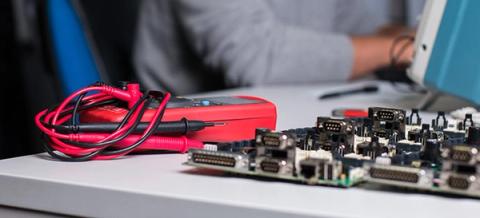
Embedded Systems & Electronics
Embedded hardware and electronics development for devices that sense, process and interact with the physical world. Our developing work spans microcontrollers, circuit design, PCB development and hardware prototyping.
Case study
A remote water-tank monitoring system developed to measure water levels, transmit readings over a wireless connection, and provide visibility into tank status without requiring someone to inspect the installation manually.
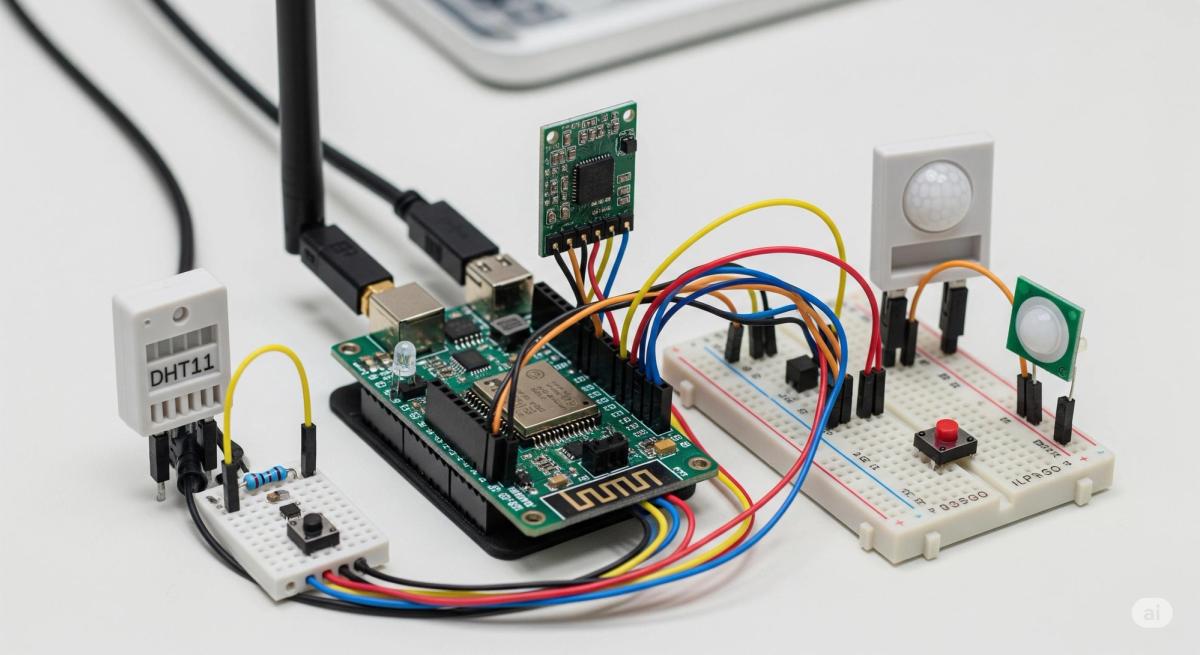
Water storage systems often operate with limited visibility. A tank may be close to empty, filling unexpectedly slowly, or failing to refill, yet these conditions can go unnoticed until they interrupt normal operations. Periodic manual inspection can help, but it does not provide continuous information about what is happening between inspections.
This project addressed that problem by developing a remote monitoring prototype that measured the water level inside a storage tank and made the readings available through a remote interface.
The hardware was built around an ESP32-based controller and a waterproof ultrasonic distance sensor mounted above the water surface. The sensor measured the distance between the mounting point and the water, allowing the controller to estimate the remaining water level using the tank's known dimensions. The system also incorporated basic filtering to reduce fluctuations caused by surface movement and inconsistent readings.
The controller processed the measurements and transmitted updates through a cellular connection. A remote application received the readings, stored their timestamps, and displayed the current tank level alongside a history of changes. Threshold-based notifications were configured to indicate when the water level fell below a defined limit or when the readings suggested an unusual change.
Power consumption was treated as an important design consideration because the monitor was intended to operate independently of a permanent mains supply. The firmware used scheduled measurement and transmission intervals, with lower-power operating states between updates. A rechargeable battery and solar-charging arrangement supported operation at locations where continuous wired power was inconvenient.
The prototype was tested with controlled changes in water level to evaluate measurement consistency, remote reporting, and low-level alert behaviour. Tests also examined how sensor placement and tank geometry affected the calculated level. These trials highlighted the importance of accounting for the tank's internal dimensions, the sensor's minimum measurement distance, and temporary interference from splashing or obstructions.
The completed system demonstrated how a relatively compact embedded device could turn a basic physical measurement into remotely accessible operational information.
THE END
Embedded hardware and electronics development for devices that sense, process and interact with the physical world. Our developing work spans microcontrollers, circuit design, PCB development and hardware prototyping.

Software development and digital tools for practical applications, technical workflows and connected systems. Our work combines software engineering with an interest in how digital solutions interact with the physical world.
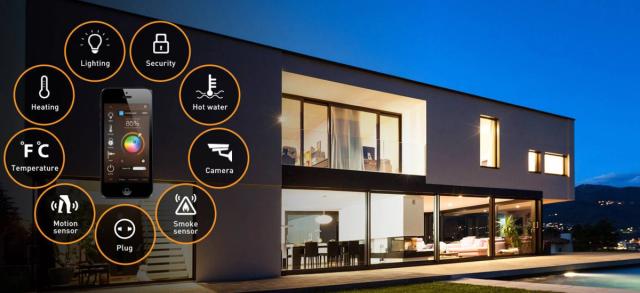
Smart building installations, CCTV, alarms, access control and connected infrastructure for homes, commercial premises and other facilities. We bring together the devices and systems that help people monitor and manage their environments.
Describe the situation and the constraint. Helena will say what it would take to understand it properly.