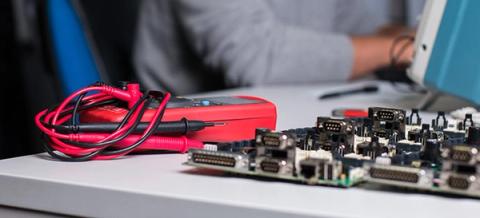
Embedded Systems & Electronics
Embedded hardware and electronics development for devices that sense, process and interact with the physical world. Our developing work spans microcontrollers, circuit design, PCB development and hardware prototyping.
Technology
Connected asset monitoring uses sensors, communication interfaces and software to make the operating condition of equipment visible. It can help users observe performance and make better-informed maintenance decisions.
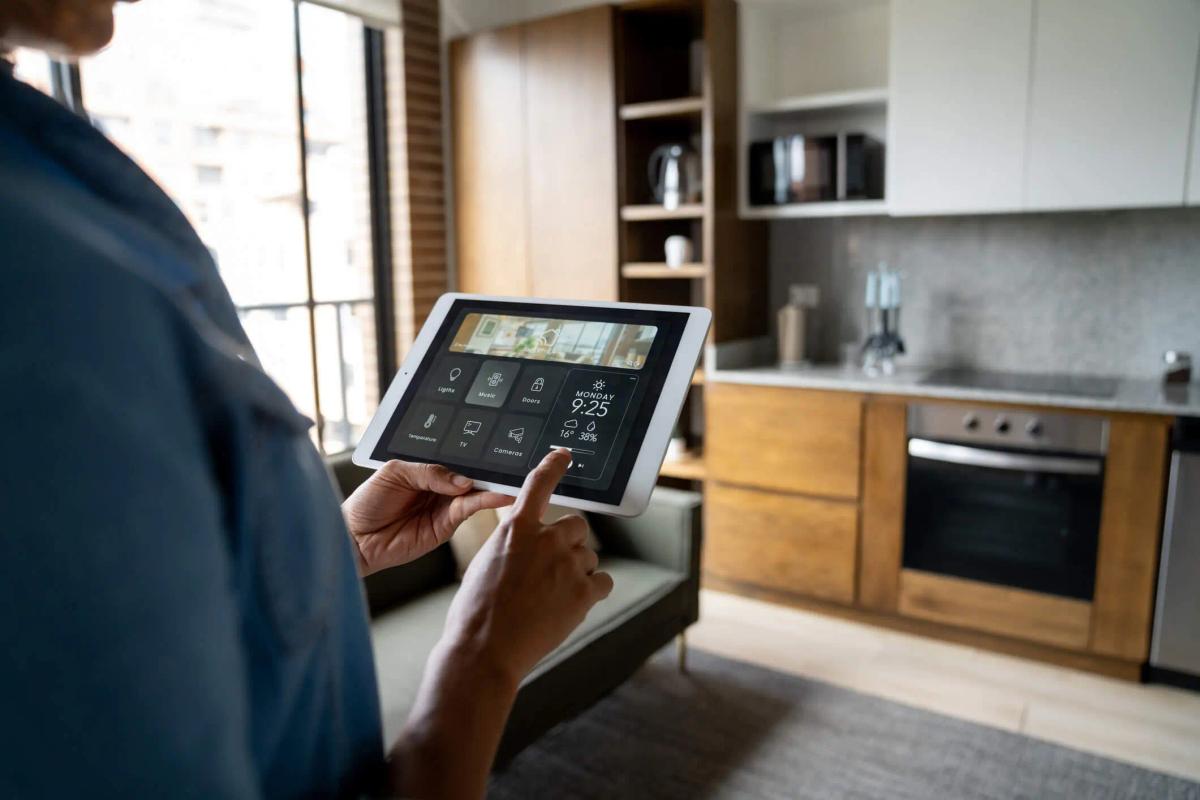
Many machines and electrical systems operate with limited visibility into their condition between inspections or after a fault occurs. Connected asset monitoring aims to improve that visibility by collecting measurements from equipment and making them available for analysis. Combining sensing, embedded devices, communications and software creates opportunities to understand how assets behave over time and identify conditions that warrant further investigatio
Monitoring begins with a specific question about an asset. It might concern temperature, vibration, current, operating hours, pressure or another measurable condition. The choice of measurement should follow the failure modes or operating characteristics that matter, rather than the availability of a particular sensor.
A monitoring system typically consists of a sensor, a means of acquiring and processing its signal, a communication path and an interface through which measurements can be inspected. Depending on the application, data may be processed locally, stored for later analysis or transmitted to a remote system.
The difficult part is not simply collecting data. Measurements need to be sufficiently reliable, representative of the condition being investigated and interpreted in the context of how the equipment normally operates. Thresholds that are too sensitive can generate unnecessary alerts, while poorly chosen measurements may fail to reveal a developing problem.
For Helena, this domain connects embedded hardware and electronics with industrial automation and software. Potential development work includes small monitoring devices, data acquisition systems and interfaces for reviewing equipment measurements. These could eventually support condition-based maintenance, but reliable fault prediction requires appropriate data, validation and an understanding of the asset being monitored.
Initial work in this area should focus on clearly defined measurement problems and demonstrate that the sensing and data pipeline work reliably before making broader claims about predictive maintenance or automated diagnosis.
Exploring
Embedded hardware and electronics development for devices that sense, process and interact with the physical world. Our developing work spans microcontrollers, circuit design, PCB development and hardware prototyping.
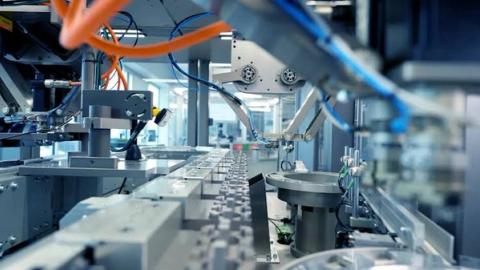
Industrial control, PLC programming, control panel development and automation integration for processes and equipment. We work towards making operations more consistent, observable and manageable.

Software development and digital tools for practical applications, technical workflows and connected systems. Our work combines software engineering with an interest in how digital solutions interact with the physical world.
Describe the site and the constraint. Helena will say whether this is the right approach, and what it would take to be sure.