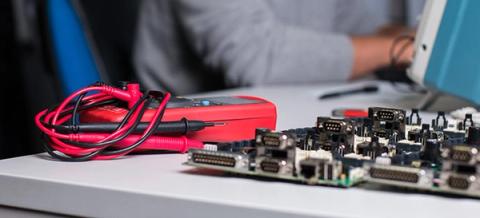
Embedded Systems & Electronics
Embedded hardware and electronics development for devices that sense, process and interact with the physical world. Our developing work spans microcontrollers, circuit design, PCB development and hardware prototyping.
Technology
Embedded control systems combine microcontrollers, firmware and electronic hardware to monitor inputs and control physical devices. This domain provides a foundation for developing custom systems.
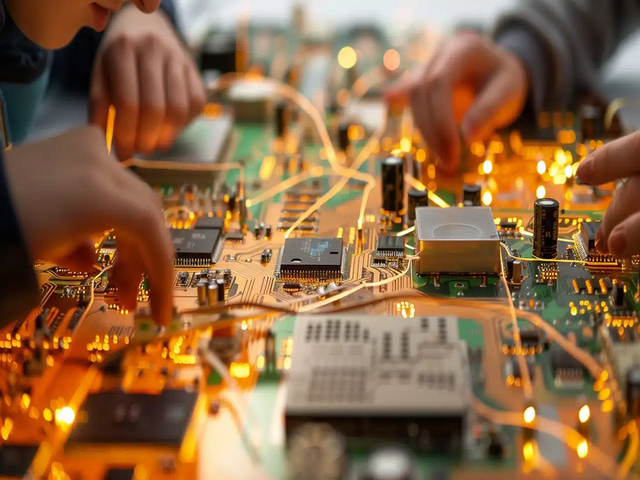
Embedded control systems bring computation directly into electronic devices and physical processes. Unlike general-purpose computers, embedded devices are designed around specific functions, such as reading sensors, processing signals, communicating with other equipment or controlling outputs. Helena is exploring this domain as a bridge between electrical engineering, electronics development and software, with potential applications in custom hardware, instrumentation and automation.
An embedded system is shaped by the task it must perform and the constraints under which it must operate. These may include power consumption, processing capacity, response time, memory, available interfaces, environmental conditions and component cost. The design must balance these requirements rather than optimize one characteristic in isolation.
A typical development process begins with defining the device's inputs, outputs and operating behaviour. The hardware architecture is then selected around the required interfaces and processing tasks. Firmware implements the device's logic, while testing determines whether the combined system behaves as intended.
For Helena, embedded control offers a route towards developing electronics that do more than passively connect components. A microcontroller can read a sensor, apply a defined rule or algorithm, communicate a result and trigger an appropriate response. The same basic principles apply to simple controllers, measurement instruments and more complex connected devices.
The domain also connects naturally with PCB development. A prototype assembled from development boards can help establish whether an idea is technically feasible, while a custom PCB can eventually consolidate the required components into a more compact and purpose-built design. Moving between these stages requires additional attention to power integrity, electrical protection, component selection, firmware reliability and testability.
The immediate direction is to develop foundational skills and project experience in microcontroller programming, hardware interfaces, circuit design and prototype testing. More advanced applications can follow as the engineering process and validation capabilities mature.
Exploring
Embedded hardware and electronics development for devices that sense, process and interact with the physical world. Our developing work spans microcontrollers, circuit design, PCB development and hardware prototyping.
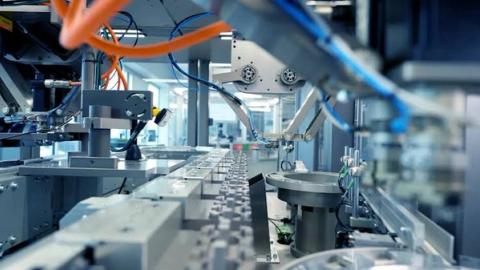
Industrial control, PLC programming, control panel development and automation integration for processes and equipment. We work towards making operations more consistent, observable and manageable.

Software development and digital tools for practical applications, technical workflows and connected systems. Our work combines software engineering with an interest in how digital solutions interact with the physical world.
Describe the site and the constraint. Helena will say whether this is the right approach, and what it would take to be sure.