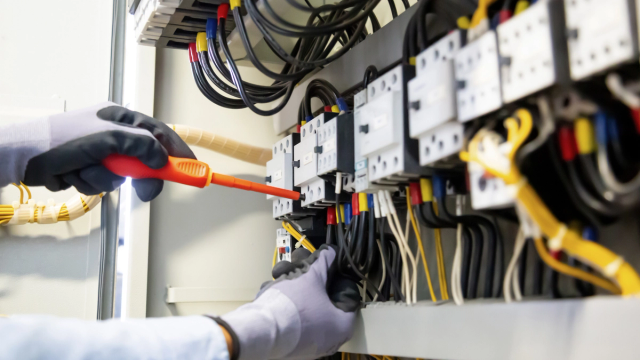
Electrical & Energy Systems
Electrical installation, maintenance, fault diagnosis and solar energy solutions for residential, commercial and industrial environments. We work across the systems that distribute, use and supply electrical power.
Technology
Distributed energy systems generate, store or manage electricity close to where it is used. This domain covers solar PV, battery storage, backup power and other engineering considerations.
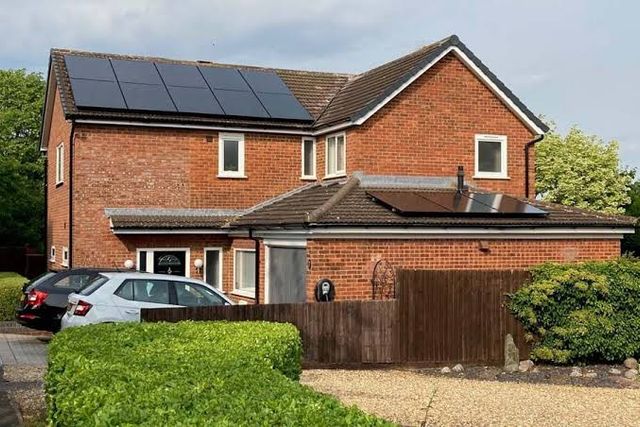
Distributed energy systems change how electricity is supplied to a building or facility by bringing generation and, where appropriate, storage closer to the point of consumption. Solar photovoltaic systems, inverters, batteries and backup supplies can work together to meet different operating requirements. Helena Technologies approaches this domain through its solar and electrical systems work, with a longer-term interest in how these components can be designed and coordinated as an integrated energy system.
The design of a distributed energy system begins with understanding how electricity is used. The timing and magnitude of demand, the availability of the grid, the importance of continuity of supply and the characteristics of the proposed equipment all influence the appropriate system configuration.
Solar PV can supply a portion of a site's energy demand, while batteries can store energy for later use and backup systems can provide power during interruptions. These functions are related but not interchangeable. A system intended to reduce electricity purchases may have different requirements from one intended to keep critical loads operating during an outage.
Helena's work in electrical installations and solar solutions provides a practical foundation for this area. Further development can focus on system sizing, load assessment, battery selection, inverter compatibility and the coordination of generation, storage and backup power. These decisions should be informed by actual site requirements rather than assumptions about typical consumption.
More advanced distributed energy systems may incorporate multiple generation sources, load management and supervisory control. Such systems require careful consideration of protection, operating modes, equipment compatibility and the conditions under which different sources are permitted to operate.
The longer-term opportunity is to move beyond individual components towards systems whose behaviour can be understood and managed as a whole. The appropriate level of integration will depend on project scale, economics and operational requirements.
Released
Electrical installation, maintenance, fault diagnosis and solar energy solutions for residential, commercial and industrial environments. We work across the systems that distribute, use and supply electrical power.
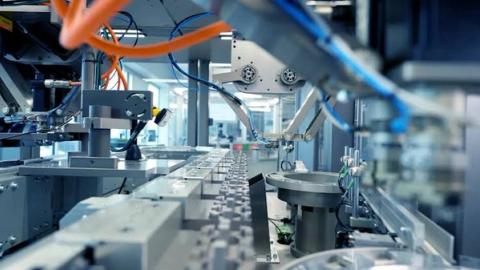
Industrial control, PLC programming, control panel development and automation integration for processes and equipment. We work towards making operations more consistent, observable and manageable.
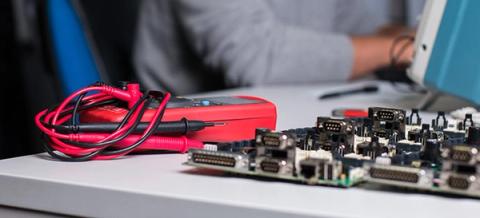
Embedded hardware and electronics development for devices that sense, process and interact with the physical world. Our developing work spans microcontrollers, circuit design, PCB development and hardware prototyping.
Describe the site and the constraint. Helena will say whether this is the right approach, and what it would take to be sure.