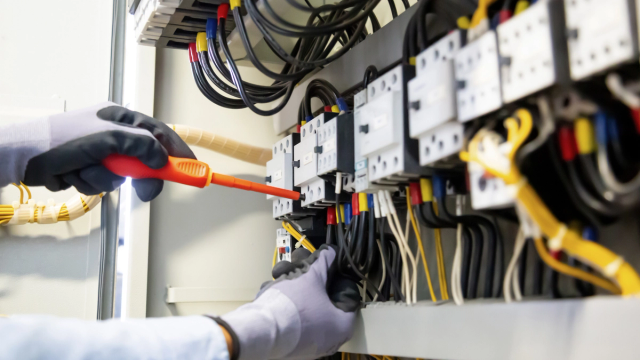
Electrical & Energy Systems
Electrical installation, maintenance, fault diagnosis and solar energy solutions for residential, commercial and industrial environments. We work across the systems that distribute, use and supply electrical power.
Technology
Energy intelligence uses electrical measurements and consumption data to help explain how, when and where energy is used. Helena is exploring how monitoring and analysis can support better energy management.
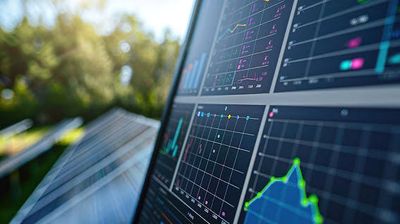
Understanding an energy system requires more than knowing how much electricity it consumes in total. The timing of demand, the behaviour of individual loads, the contribution of solar generation and the use of stored energy can all influence operating costs and system performance. Energy intelligence brings measurement and analysis together to make these patterns easier to understand. It connects Helena's work in electrical infrastructure and distributed energy with the potential for data-driven energy management.
Energy monitoring begins with reliable measurements. Depending on the question being investigated, useful data may include electrical power, energy consumption, voltage, current, demand over time, solar generation or battery state of charge. The measurement points and sampling intervals should be chosen according to the intended analysis.
Once collected, the data can help establish a baseline for normal operation, identify recurring demand patterns and show how consumption changes over time. Comparing these observations with operating schedules or production activity can help explain why demand changes and where further investigation may be useful.
For solar and storage systems, monitoring can provide a clearer picture of the relationship between generation, consumption, grid supply and battery use. This information may help users evaluate system operation and identify opportunities to adjust how energy is used. However, meaningful conclusions depend on measurement quality, system configuration and the period over which observations are collected.
The longer-term opportunity for Helena is to connect electrical measurement with software-based analysis and system monitoring. Potential directions include dashboards, historical energy reporting, comparisons between generation and demand, and tools for investigating unusual consumption patterns.
More advanced energy optimization would require additional work in data quality, load modelling, forecasting and control. Recommendations should be grounded in measured conditions and evaluated against actual operating outcomes rather than assumed savings.
Exploring
Electrical installation, maintenance, fault diagnosis and solar energy solutions for residential, commercial and industrial environments. We work across the systems that distribute, use and supply electrical power.
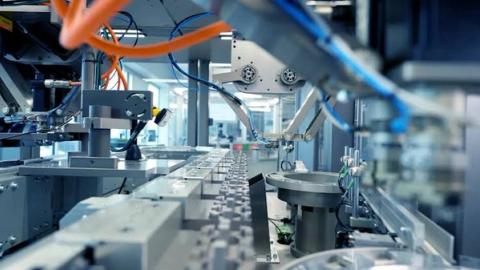
Industrial control, PLC programming, control panel development and automation integration for processes and equipment. We work towards making operations more consistent, observable and manageable.
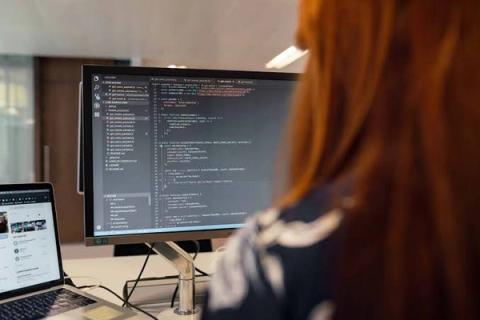
Software development and digital tools for practical applications, technical workflows and connected systems. Our work combines software engineering with an interest in how digital solutions interact with the physical world.
Describe the site and the constraint. Helena will say whether this is the right approach, and what it would take to be sure.